

The Open Road: Best Places to Drive a Supercar in Miami
Miami is a city built for the lens, but it is truly experienced through the rental of a luxury car, the windshield of a high-performance machine. For the vacationing enthusiast, a supercar is more than just a mode of transport; it is a key that unlocks a different dimension of the Magic City. From the neon-lit corridors of the beach to the sweeping, architectural bridges that span the bay, certain routes offer the perfect symphony of asphalt, scenery, and engine notes.
This guide explores the premier driving routes for those looking to experience the full potential of a world-class exotic vehicle while navigating Miami’s unique geography.
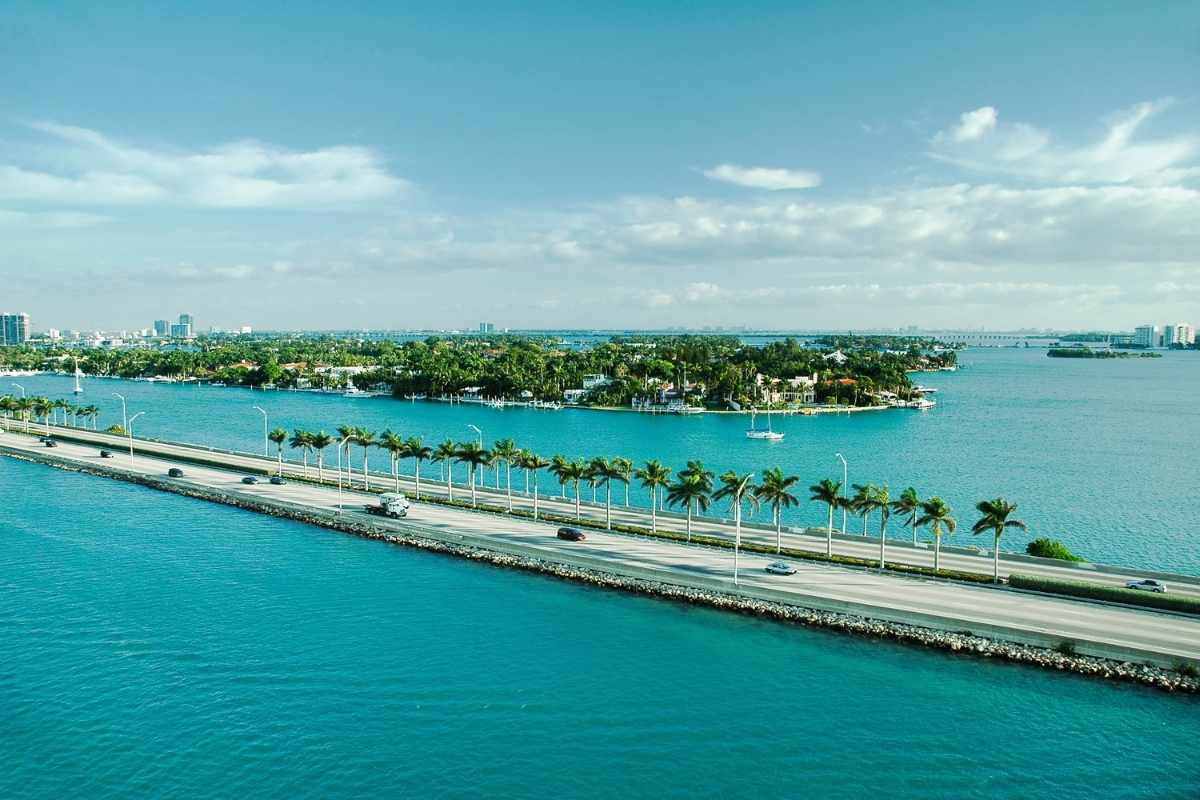
1. The MacArthur Causeway: The Grand Entrance
The MacArthur Causeway is arguably the most iconic stretch of road in South Florida. Connecting Downtown to South Beach, this three-mile span offers a multi-sensory experience. To the north, the massive cruise ships of PortMiami provide a towering backdrop; to the south, the multimillion-dollar estates of Star and Palm Islands glitter on the water.
The Drive: This is where the sheer scale of Miami’s ambition is visible. The road is wide and well-paved, offering the perfect opportunity to feel the aerodynamic stability of a supercar as the city skyline rises behind and the Art Deco silhouette of the Beach appears ahead.
2. Ocean Drive: The Art of the Slow Cruise
If the Causeway is for performance, Ocean Drive is for presence. This is the most famous street in the world for “see and be seen” culture. Driving a supercar here requires patience, as the speed limit is low and the sidewalks are packed with admirers, but the atmosphere is unparalleled.
The Drive: Lower the windows to hear the engine echo off the historic Art Deco facades. At night, the neon glow reflects off the polished paintwork of the car, creating a cinematic experience that feels like stepping into a high-budget film. It is the quintessential Miami “flex.”
3. The Rickenbacker Causeway: The Key Biscayne Run
For drivers seeking a sense of escape, the Rickenbacker Causeway toward Key Biscayne is a must. This route takes travelers across the highest bridge in the city, offering a panoramic view of the Brickell skyline that is often used in automotive commercials.
The Drive: Once across the main bridge, the road opens up into a long, palm-lined stretch toward Crandon Park. The air is salt-heavy and the traffic is generally lighter than on the Beach, allowing for a smoother, more rhythmic driving experience that culminates in the lush, tropical greenery of Bill Baggs Cape Florida State Park.
4. The Venetian Causeway: The Intimate Route
For a more technical and intimate drive, the Venetian Causeway is a series of small bridges connecting man-made islands. It is a residential route, meaning the speed is regulated, but the proximity to the water is unmatched.
The Drive: This route is best enjoyed at sunset. The low-slung bridges and narrow lanes provide a sense of precision. It is the perfect path for a convertible supercar, allowing the driver to appreciate the architectural beauty of the waterfront mansions and the quiet luxury of the Venetian Islands.
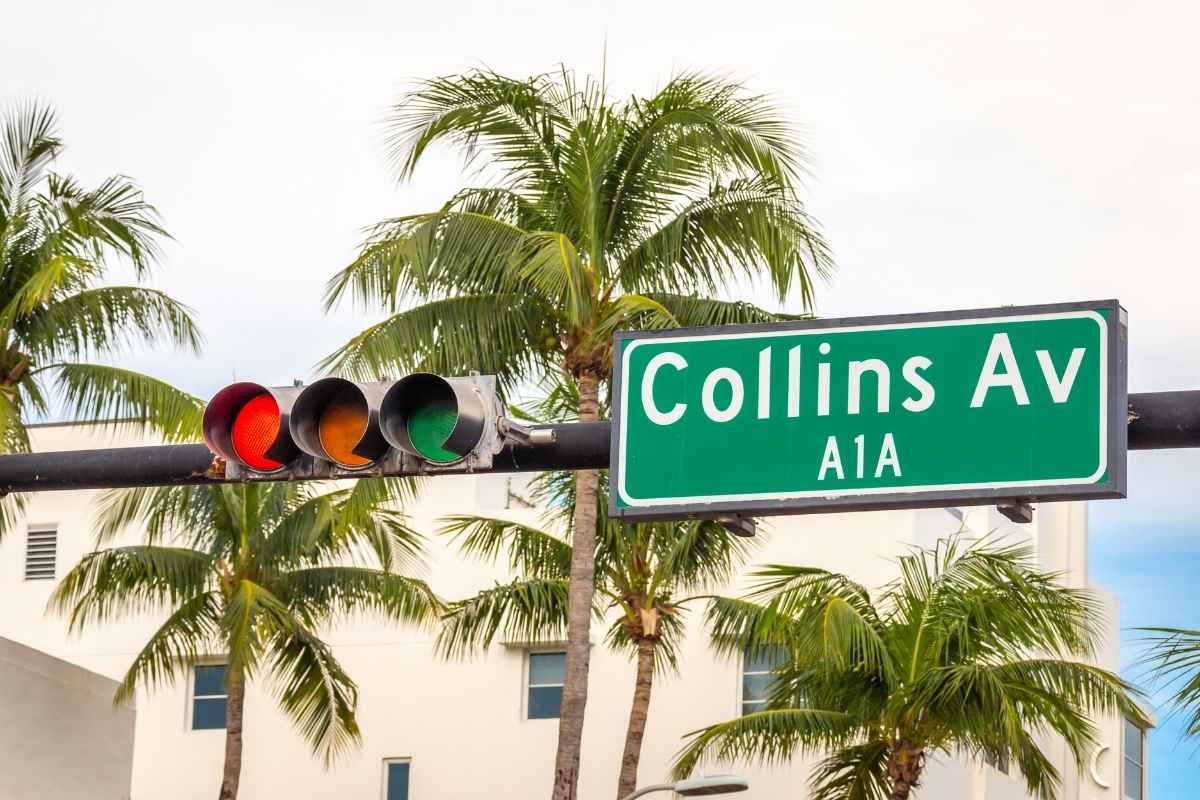
5. Collins Avenue: The Mid-Beach Corridor
Stretching from South Beach all the way to Bal Harbour, Collins Avenue is the spine of the city’s luxury hotel scene. The “Millionaire’s Row” section offers a straight, scenic corridor flanked by the Atlantic Ocean on one side and the Intracoastal Waterway on the other.
The Drive: The drive north toward Bal Harbour is particularly rewarding. As the dense Art Deco buildings give way to soaring modern glass towers, the road settles into a steady flow. Arriving at the Bal Harbour Shops in a supercar is the only way to truly match the prestige of the destination.
6. The Design District: Architectural Precision
The Design District is a maze of high-fashion flagships and avant-garde architecture. Driving through these streets is like navigating a curated museum. The clean lines of the buildings provide a sharp contrast to the aggressive curves of a modern exotic car.
The Drive: This is an urban drive focused on aesthetics. The neighborhood’s geometry makes for incredible photography. It is the perfect midday route for a driver who values the intersection of automotive design and high-end fashion.
7. Julia Tuttle Causeway: The High-Speed Connection
Named after the mother of Miami, the Julia Tuttle Causeway (I-195) connects Mid-Beach to the Design District and Wynwood. It is a long, straight, and wide expanse that offers one of the best perspectives of the city’s scale.
The Drive: While the MacArthur is for glamour, the Julia Tuttle is for momentum. It allows the driver to feel the car’s poise over a longer distance. The view of the turquoise water on either side creates a feeling of flying over the bay rather than driving through it.
8. Old Cutler Road: The Tropical Canopy
Located south of the city, Old Cutler Road is a hidden gem for those who want to see the “Old Florida” side of Miami. This winding road is shaded by a massive canopy of ancient Banyan trees and oaks.
The Drive: This is a technical, low-speed drive that tests the handling and steering feedback of a supercar. The dappled sunlight filtering through the trees and the curves of the road provide a cooling, serene contrast to the high-energy pulse of Downtown.
9. Brickell Avenue: The Financial Canyon
Driving through Brickell Avenue feels like navigating a canyon of glass and steel. It is the financial heart of the South, and the energy is palpable.
The Drive: This route is best experienced during the “Golden Hour.” The reflections of the setting sun off the skyscrapers create a shimmering effect on the car’s bodywork. It is a high-fashion, high-power environment where a supercar looks perfectly at home among the corporate towers.
10. The 195 to Wynwood: The Art Run
Crossing from the Beach into the heart of the mainland via the 195 leads directly into the colorful, mural-covered streets of Wynwood.
The Drive: The transition from the blue water of the bay to the vibrant, street-art-filled walls of Wynwood is a visual jolt. A supercar in these streets becomes part of the art itself. It is a high-contrast environment that captures the modern, edgy spirit of the city.
11. Logistics: Fueling and Maintaining the Shine
Managing a supercar in Miami is as much about the prep as it is about the drive. These high-strung engines aren’t just picky; they practically demand 93-octane premium fuel to perform as they should. You’ll quickly find that the local infrastructure is surprisingly well-tailored to the exotic car crowd, but there’s a bit of an art to it.
The Insider Move: Most seasoned travelers skip the gas station hassle entirely, opting for a white-glove “full-to-full” delivery where the car arrives spotless and topped off. However, if you’re keeping the keys for a week, you’ll want to avoid the automated car washes scattered around the city. Instead, seek out specialized “no-touch” detailers, the kind that understand how to treat a carbon-fiber diffuser or a matte finish. Keeping that showroom glow under the harsh Florida sun is a full-time job, but it’s what makes the car pop in the South Beach neon.
12. Parking Strategy: The Art of Protecting the Asset
In a city that moves as fast as Miami, choosing your parking spot is just as tactical as choosing your route. It’s not just about the crowds; it’s about the physics. Between the aggressive approach angles of some driveways and the tight, narrow ramps of standard garages, a supercar is often at the mercy of the pavement.
The Drive: You’ll notice that the pros never just “park.” They look for the “front-and-center” valet spots at the big-name hotels or the Design District, where the car stays under a watchful eye and away from swinging doors. If you’re staying in a private villa, dedicated flat-surface garages are a godsend for low-clearance Ferraris or Lamborghinis. In short: if you have to think twice about a ramp, don’t take it. The peace of mind is worth the extra block’s walk.
13. Curating the Fleet: Matching the Machine to the Map
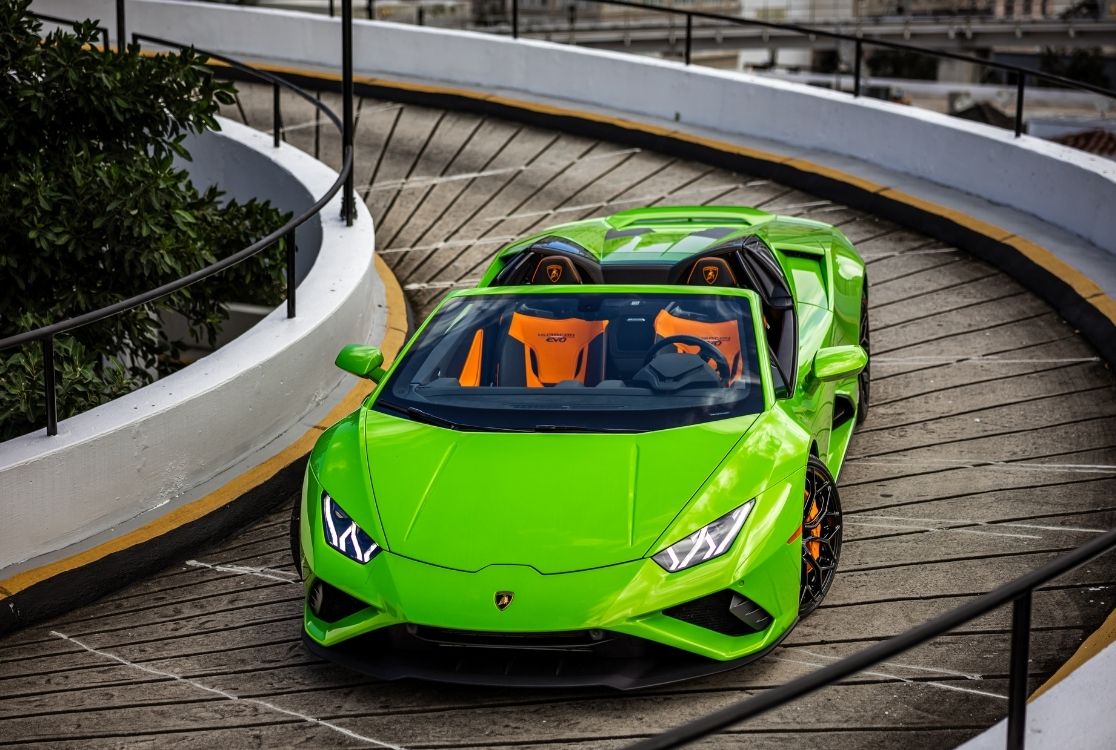
In a city as diverse as Miami, choosing the right supercar is less about the specs on paper and more about the geography of your day. If you’re planning to tackle the wide, high-speed stretches of the Julia Tuttle, you’ll want the planted, raw stability of a Lamborghini Revuelto or a Ferrari SF90 Stradale to really feel that sense of momentum. On the other hand, the tight, canopy-covered curves of Old Cutler Road demand something with surgical precision, like a Porsche 911 GT3 RS. And for those quintessential afternoons on the Beach? A convertible like the McLaren 750S Spider is the only way to go, it ensures the V8’s symphony is heard just as clearly as the car is seen.
14. The Arrival: White-Glove Logistics and Bespoke Delivery
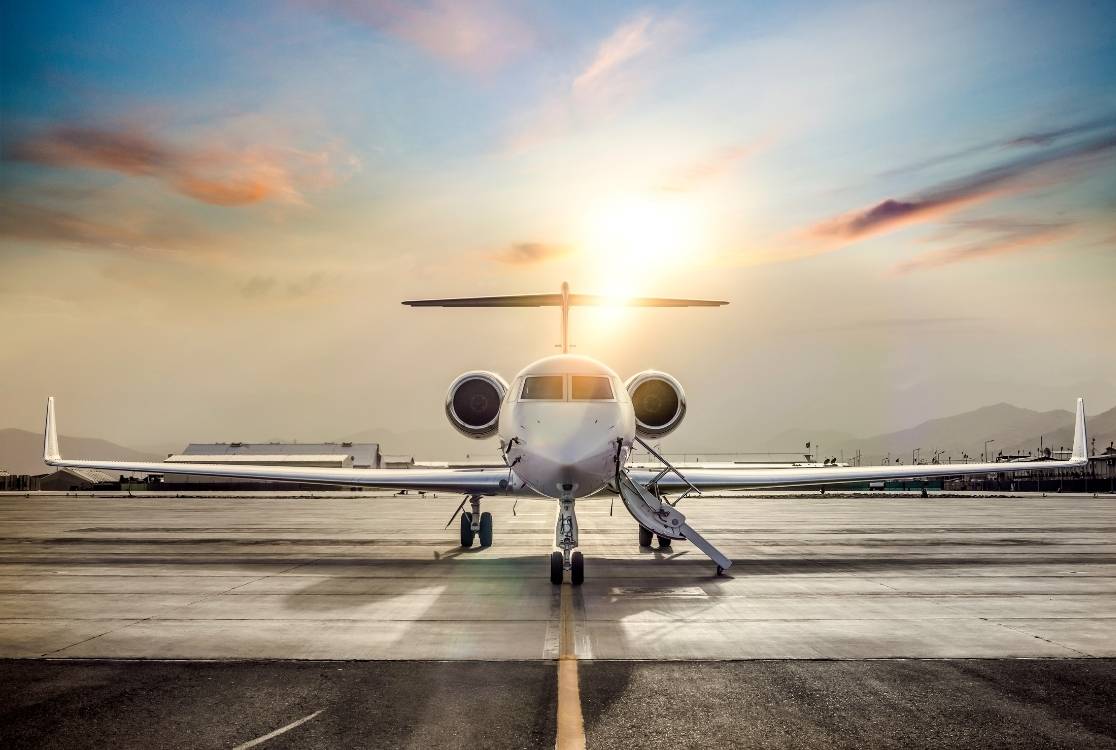
In the high-end Miami rental market, the experience starts long before you actually turn the key. The new gold standard is “bespoke delivery,” where the logistics bend to your schedule rather than the other way around. Whether you’re stepping off a private jet at Opa-Locka, arriving at a gated villa on Star Island, or checking into a Brickell penthouse, the car should be there waiting. This isn’t just a drop-off; it’s a personalized briefing. You need to know the quirks of the lift system for those steep coastal driveways and how to toggle the drive modes for Miami’s varied asphalt. It’s about removing every bit of friction so you can go from “travel mode” to the open road without a second thought.
15. The SunPass Essential: Seamlessly Navigating the Grid
One of the most overlooked details of driving in Miami is the sheer density of the electronic toll system. Most of the city’s lifelines, the I-95 Express lanes and the Don Shula Expressway, rely heavily on SunPass. When getting behind the wheel of an exotic, the last thing you want is to be hunting for a toll booth that doesn’t exist. Ensuring the car has an active transponder integrated into the rental agreement is a small but vital detail. It allows you to sweep through the “Financial Canyon” of Brickell or head south toward the Keys without ever breaking your stride. It’s these minor logistical touches that keep the high-speed, high-tech rhythm of a supercar vacation perfectly intact.
16. The Verdict: Mapping the Ultimate Miami Circuit
If you’re looking to distill the essence of Miami into a single day of driving, there is a specific rhythm that works best. It starts at dawn with a crisp run over the Rickenbacker, catching the first light over the bay. By mid-morning, shift gears for a slow, sun-drenched cruise down Ocean Drive for breakfast, where the car becomes part of the scenery. Finally, time your return for a sunset crossing of the MacArthur Causeway. This specific loop isn’t just about the miles; it’s a curated transition from the quiet, natural beauty of the keys to the electric, neon-lit energy of the urban core, all experienced through the lens of automotive perfection.
FAQ
What is the best time of day to drive a supercar in Miami?
To avoid the notorious I-95 traffic, the best times are early morning (before 8 AM) or late evening (after 8 PM). Sunset “Golden Hour” is the best for photography but expect heavier traffic on the causeways.
Are there specific roads to avoid due to ground clearance?
While most main roads are excellent, some parts of “Old Miami” and certain construction zones in the Arts District can have uneven surfaces. It is always recommended to use the car’s “nose-lift” feature when entering driveways in South Beach or Brickell.
Is it easy to find high-octane fuel in the luxury districts?
Yes, most major stations in the Brickell, Design District, and South Beach areas carry 93-octane fuel, which is standard for high-performance European and American exotic engines.
How do I handle the frequent Miami rain showers?
Miami weather changes quickly. If driving a convertible, keep a close eye on the sky. Most showers last only 10-15 minutes. It is best to pull over and wait them out rather than navigating standing water in a low-slung vehicle.
Is valet parking safe for exotic cars?
Most 5-star establishments in Miami are very accustomed to handling million-dollar vehicles. However, many drivers prefer to pay a premium for “self-park” in a visible spot or “request-to-stay-front” to ensure the car isn’t moved.